The Credential That Gets You the Keys
You booked the boat... this is how you get the paperwork correct.
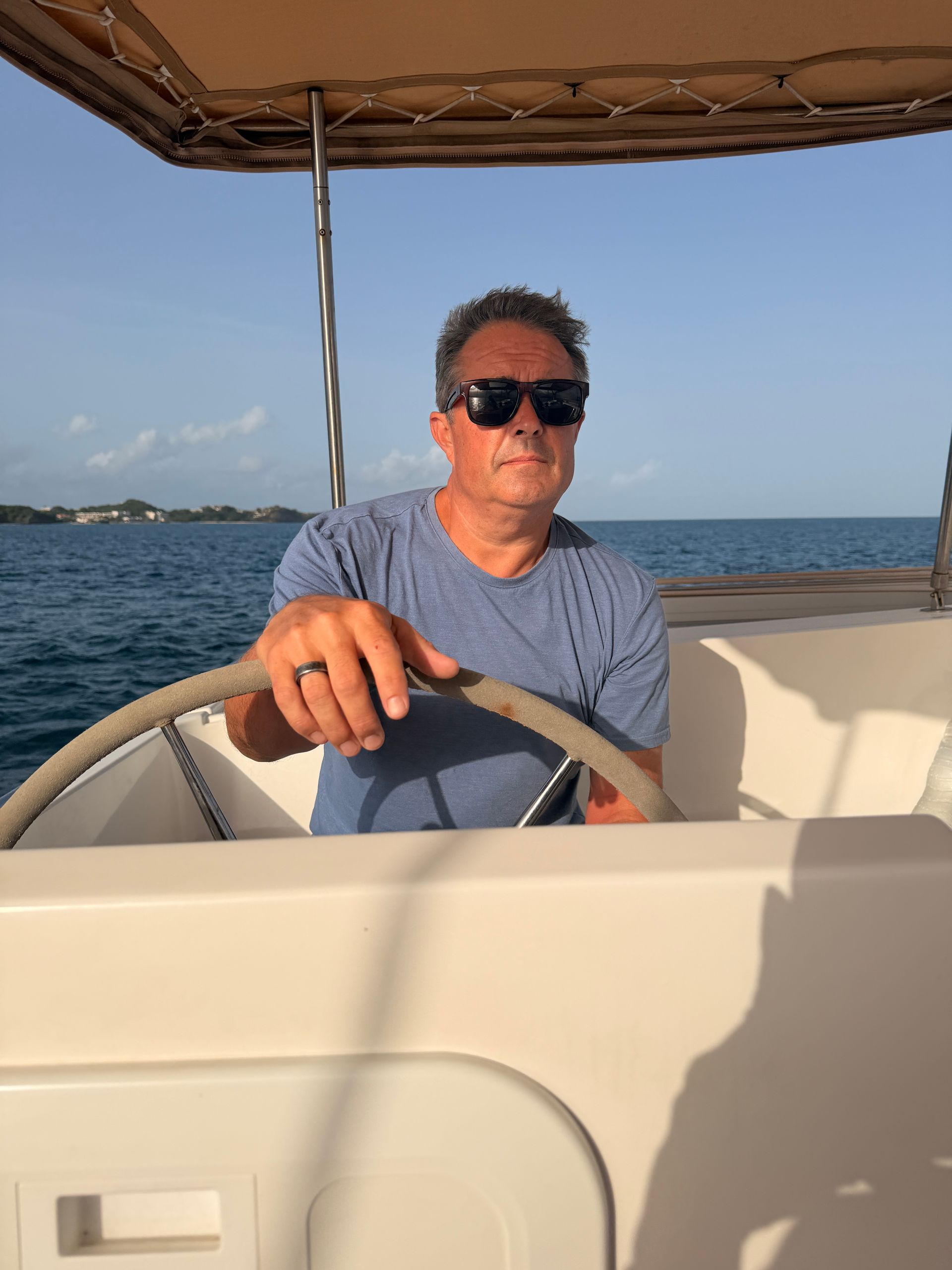
You booked the boat. Somewhere warm, a week on the water, maybe the Med or the BVI. Then the charter company emailed asking for your sailing resume and your license, and you realized you are not sure you have either.
This is the most common way people find us. Not a hobby that turned into a plan. A plan that turned into a problem. Here is what charter operators actually want, why it is not what most people assume, and what to do if your trip is a few months out.
What the charter company is really asking
They are not asking whether you can sail. They are asking whether they can hand you a $400,000 boat in a place you have never been and get it back in one piece.
Those are different questions. The first one you can answer with a story. The second one they want documented.
So when they ask for a resume, they mean specifics. What size boats. What conditions. How recently. Did you skipper or did you crew. A weekend course certificate from four years ago answers none of that, which is why it often gets pushed back with a request for more.
Why there is no such thing as a US sailing license
This is the part that surprises people. The certificate most European charter operators reference is the ICC, the International Certificate of Competence. It comes out of a United Nations resolution, and it is issued by the governments that signed it. The United States did not sign it. Neither did Canada. That means no US school, ours included, can issue you an ICC. Anyone who tells you otherwise is selling something. What exists instead is the Sailing License and Credential, the SLC, and its powerboat equivalent the SLC-P. We teach and assess both.
What makes the SLC different
Most certifications are course completion records. You attended, you passed, here is a card. The SLC is built the other way around. It combines online theory, a documented logbook of your actual time on the water, and a practical assessment by a qualified instructor. The card is the last step, not the product. NauticEd, which issues it, operates under the American National Standards established by the US Coast Guard through NASBLA. That is the same standards body behind boating education across the country, which is what gives the credential weight outside the sailing school world. The practical effect is that your credential carries your history with it. Not just that you were taught, but what you have actually done.
Where it is accepted
Croatia is the clearest case, and the most useful one to know about, because Croatia is strict in a way most countries are not.
Croatian authorities publish an official list of accepted certifications. If your license is not on it, you do not get the boat. The SLC is on that list. That is a national maritime authority making a specific decision about a specific credential, which is a different thing from a charter company saying it looks fine. Greece accepts it. So do charter operators across the Mediterranean and the Caribbean, including the BVI. Between them, that covers most of where people actually want to sail.
What this looks like if your trip is in three months
Three months is enough, but only if you start with the logbook. Do that tonight. Open your NauticEd logbook and go back through everything you have sailed. Boats, dates, lengths, conditions, whether you skippered or crewed. You need fifty qualifying days, twenty five of them as master and twenty five on a boat over 28 feet. Most people who have been sailing a decade already have the days. What they do not have is the record.
If you are short on days, you need water time before an assessment is worth booking, and three months gets tight. Tell us early and we will be honest about whether the timeline works rather than take your money and find out in hour two. If you have the days, the coursework is next. The Bareboat Charter Master bundle, six courses, done at your kitchen table on your own schedule. Start it this week. It is the long pole, not because it is hard, but because life gets in the way and it sits half finished.
Book the assessment with us for four to six weeks out. One day, $750, about six hours for sail and four for power. Booking it early does two things. It gives you a deadline that pulls the coursework along, and it gets you on our calendar, which matters in season.
The exam happens in person, with us, on assessment day. There is no separate test to schedule and no waiting on a result from somewhere else. You finish the day having demonstrated the skills on the water and passed the written exam.
Then upload a photo and pay the $95 issuance fee. The license downloads immediately, as a PDF and to Apple Wallet. You hold an SLC that afternoon. Most credentialing ends with a wait. This one ends with a card on your phone before you leave the dock.
The part nobody tells you
The credential is not the point. It is the receipt. The point is that when you are three days into your trip, the wind is up, the anchorage you planned is untenable, and your crew is looking at you, you know what to do. The paperwork just got you the boat. What you learned is what makes the week worth having.
If you have a trip booked and a date on the calendar, tell us where you are going and when. We teach on Lake Murray out of Columbia, at Daniel Island Yacht Club in Charleston, on Penobscot Bay in Maine, and out of Boston. If you would rather do the training where you will actually be sailing or where you live, we travel to you.
Either way, do not leave it to the month before. Charter operators want the paperwork in advance, and the logbook only counts the hours you have actually logged. We will get you the license.